✨ Unlocking Vibrant Designs: The World of Dye Sublimation Printing
Dye sublimation is a cutting-edge digital printing technique that’s revolutionized the apparel and merchandise industry. It’s the secret behind some of the most vibrant, durable, and high-quality printed fabrics and hard surfaces you see today. When used for custom apparel, such as sportswear or club jerseys, the final product retains its original feel and breathability, unlike many other printing methods. clothing manufacturer
💡 What is Dye Sublimation Printing?
At its core, sublimation is a chemical process where a solid substance transitions directly into a gas state, bypassing the liquid phase entirely. Dye sublimation printing leverages this process to permanently embed ink into a material’s fibers. This technique ensures that your graphics, from simple logos to complex photo motifs, are printed with no loss of resolution compared to the original image, and the resulting print is exceptionally long-lasting.

The Sublimation Printing Process: A Step-by-Step Breakdown
The entire process transforms your digital design into a permanent part of the garment or substrate. Any design is possible, offering unmatched creative freedom.
- Design and Print: The desired design is created digitally and then printed onto special sublimation transfer paper using a digital printer equipped with unique sublimation inks (viscous, water-insoluble dispersion dyes).
- Preparation: The printed transfer paper is aligned onto the target garment or substrate. It is crucial that the garment is made entirely or predominantly of polyester for the process to work effectively.
- Heat Application: A heat press is used to apply intense heat, typically between 177 to 200 °C (350 to 400 °F), along with significant pressure.
- Ink-to-Gas Conversion: The high heat causes two simultaneous reactions: the polyester fabric’s pores open up, and the solid sublimation inks on the paper instantly change into a gas state (sublimate).
- Infusion: The gaseous inks penetrate (sink into) the open pores of the fabric fibers.
- Solidification: When the heat press is released, the temperature drops, the fabric pores close, and the gaseous ink solidifies permanently inside the fabric’s structure.
The result is a design that is chemically bonded to the material, guaranteeing it won’t crack, peel, fade, or wash off. This process is often compared to getting a tattoo, as the color is embedded within the material, not just applied on top.
Equipment and Supplies for Sublimation
Setting up for sublimation is relatively straightforward compared to other large-scale printing methods. You will need a few specialized components to begin.
🖨️ Sublimation Printer
A specialized printer is required due to the unique composition and temperature sensitivity of sublimation ink. These printers are also referred to as “sublime” printers and must use water-insoluble dispersion dyes. clothing manufacturer Modifying a standard inkjet printer to accept sublimation ink is possible, but not always advised due to potential residue issues in print heads.
💧 Sublimation Ink
This is arguably the most critical component. Only true sublimation ink can be used. Standard inkjet ink is incompatible and must be completely flushed out if converting a printer. This ink contains the specialized dyes that undergo the solid-to-gas transition under heat.
📄 Sublimation Paper
This unique paper is coated to hold the sublimation ink until heat is applied. The coating is essential for the ink to be properly released and transferred during the heating process, ensuring a crisp and complete transfer.
🔥 Heat Press
The heat press applies the necessary heat and pressure to initiate the sublimation process. Various sizes are available, so choosing one with a sufficiently large heat plate for your intended designs is important.
Sublimation vs. Other Printing Methods
While many techniques exist for applying designs to garments (like screen printing or Direct-to-Garment (DTG)), sublimation often stands out for its unique benefits, especially for intricate, full-color designs.
Sublimation vs. DTG (Direct-to-Garment)
The key difference is molecular: DTG inks apply color to the fabric’s surface, relying on surface adhesion. Sublimation dyes, in contrast, enter the surface and recolor it from the inside out through molecular bonding. This difference is why DTG prints sit on top and can eventually crack or peel, while sublimation prints are permanent and integrated into the material itself. clothing manufacturer
Sublimation vs. Screen Printing
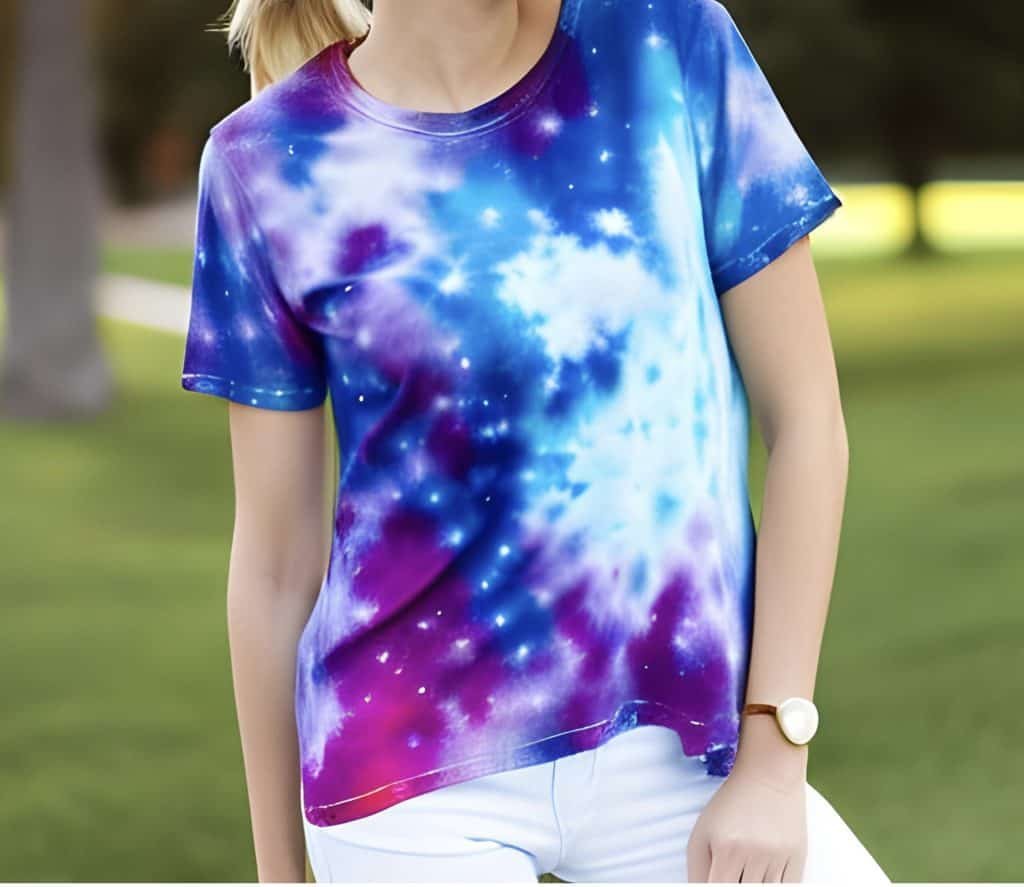
Screen printing is typically most cost-effective for very large batch orders with a limited number of colors. However, sublimation yields colors that are significantly more vivid and brighter than those achieved with screen printing, especially for photorealistic or complex, multi-color designs. Sublimation is also a faster and more efficient digital printing method, particularly for smaller batch orders and intricate, all-over patterns (often called “all-over printing”). clothing manufacturer
🏆 Key Benefits of Choosing Sublimation Printing
- Durability: Prints won’t crack, peel, or fade, even after numerous washes or exposure to harsh environmental factors like UV rays.
- Vibrancy: Produces exceptional color brilliance and high precision, capable of rendering intricate photo-quality motifs.
- Soft Hand Feel: Because the ink is integrated, you cannot feel the pigment on the fabric’s surface. The print feels like the original garment.
- Functionality Preserved: The printing process does not seal the fabric, preserving qualities like breathability, making it ideal for performance apparel and sportswear.
- Eco-Friendly: It’s a relatively eco-friendly method, as no binding agents or solvents are needed in the process. clothing manufacturer
Examples of Sublimation in the Real World
Sublimation itself is a naturally occurring chemical process. Its best-known example is dry ice, which is frozen carbon dioxide. When exposed to air, it transforms directly from a solid block into visible fog (gas) without ever turning into liquid water.

Beyond printing, the principle of sublimation is also vital in various industrial and scientific applications, including:
- Freeze-Drying: Used in the frozen food sector, where frozen water sublimates from solid ice to gas by lowering the pressure around the substance.
- Forensic Science: Sublimation is used by chemists as a purification technique for volatile substances.
- Material Recovery: It helps in the recovery of substances dispersed in solids or liquids by allowing the suspending matrix to sublimate away.
❓ Frequently Asked Questions (FAQ)
Q: What materials can be used for sublimation printing?
A: Sublimation works best and is permanent only on polyester fabric or objects that have a specialized polymer coating. It is ideal for synthetic materials like polyester sportswear, flags, banners, and coated items such as mugs, phone cases, and metals.
Q: Why do I need to mirror the image before printing?
A: The image must be mirrored (reversed) before printing onto the transfer paper because when the paper is placed face-down on the garment for the heat press, the image will flip back to its correct orientation during the transfer process.
Q: Can I use sublimation printing on dark-colored garments?
A: Traditional dye sublimation does not print white ink and relies on the base color of the material to show through. Therefore, it is only effective on white or very light-colored polyester fabrics. Printing on dark colors will either not show up or result in the colors being heavily influenced by the garment’s color.
Q: How long does a sublimation print last?
A: A sublimation print is considered permanent. Because the ink is embedded chemically within the polymer fibers, it will not wash out, crack, or peel. The print’s life expectancy is typically the same as the garment’s life expectancy.
Q: What is “all-over printing” in sublimation?
A: “All-over printing” refers to the ability of sublimation to print a design that covers the entire garment, often going from seam to seam. This is achieved by printing on the cut fabric panels before they are sewn together, allowing for complete design coverage not possible with standard press sizes.