Why Start a Clothing Brand?
The fashion industry is thriving, and starting a clothing brand offers a fantastic opportunity to express creativity and build a profitable business. Whether you dream of launching streetwear, sportswear, or luxury apparel, the process requires careful planning, market understanding, and reliable partners. If you’re a beginner, this guide will walk you through the essential steps and requirements to launch your own clothing line successfully.
Step 1: Define Your Brand Vision and Identity
Start by clarifying your brand’s mission, values, and target audience.
Ask yourself:
- What problem are you solving or what unique style do you offer?
- Who is your ideal customer?
- What is your brand’s story and visual identity (logo, color palette, and tone)?
Having a clear identity will guide your design and marketing decisions down the road.
Tip: Make your brand memorable by focusing on authenticity and consistency.
Customers connect with brands that have a strong, relatable story and a unique aesthetic.
Step 2: Research the Market and Analyze Competitors
Conduct in-depth research on your niche, current fashion trends, and successful brands. Analyze their strengths and weaknesses, and identify market gaps. Use tools like Google Trends, Instagram, and Pinterest to observe what’s trending and what your audience desires.
Understanding your competition will help you position your brand effectively.
Step 3: Design Your Clothing Line
Begin sketching your ideas or use digital design tools like Adobe Illustrator. Develop a collection that reflects your brand’s identity and appeals to your target audience. Consider factors like seasonality, sizing, and price point.
Don’t forget to prepare detailed tech packs – these documents specify fabric choices, measurements, trims, and construction details for manufacturers.
Pro Tip
Request feedback from your target audience or potential customers to refine your designs before production.
Step 4: Build a Business Plan
A well-structured business plan is crucial for success.
It should cover:
- Brand overview and goals
- Market analysis
- Product details
- Marketing and sales strategies
- Financial projections (startup costs, pricing, cash flow)
- Production and fulfillment plans
A solid plan helps secure funding and keeps you focused as your business grows.
Step 5: Register Your Business and Secure Legal Requirements
Choose a business structure (sole proprietorship, LLC, or corporation) and register your business name.
Obtain necessary licenses, trademarks, and tax IDs for your location.
Protect your brand’s intellectual property, such as your logo and unique designs.
Step 6: Find Reliable Clothing Manufacturers
High-quality production is essential for a successful clothing brand. Research and shortlist clothing manufacturer options that match your needs.
Consider factors like:
- Minimum order quantities (MOQs)
- Product range and customization options
- Lead times and shipping methods
- Quality control and sample policies
- Communication and transparency
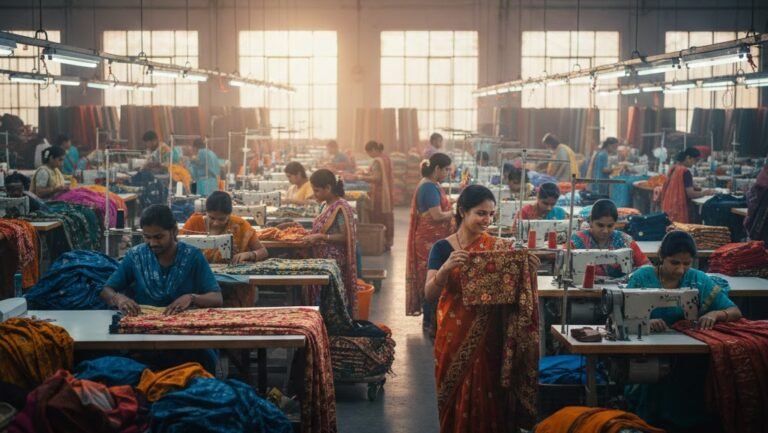
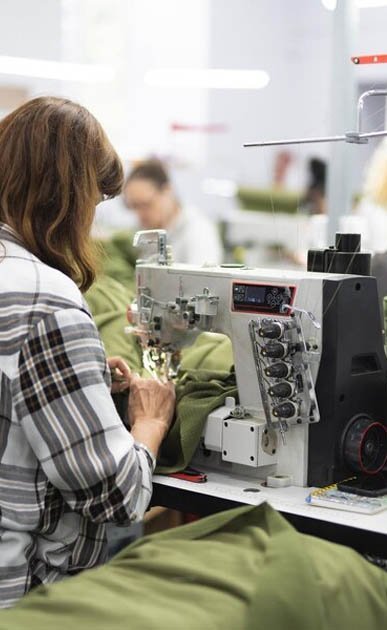
Ludyway is a leading clothing manufacturer in China, offering one-stop solutions from fabric sourcing to global delivery. Their low MOQs, quick turnaround, and strict quality checks make them ideal for both startups and established brands.
Why Choose Ludyway?
- Over 10 years of experience serving global brands
- Flexible order quantities (from 50 pieces)
- Strict quality assurance and international standards
- One-stop service: design, production, and logistics
- Transparent pricing and no hidden fees
For more information, visit clothing manufacturer Ludyway.
Step 7: Create Samples and Test Quality
Work with your manufacturer to create product samples. Inspect every detail: stitching, fabric, fit, and finish. Test washability and durability.
Offer samples to select customers or influencers for honest feedback before launching full-scale production.
Step 8: Develop Your Brand’s Online Presence
Build a professional website and e-commerce store. Use high-quality visuals, clear product descriptions, and easy navigation. Establish social media profiles (Instagram, TikTok, Facebook) to showcase your brand’s personality and products.
Engage with your audience by sharing behind-the-scenes content, styling tips, and customer stories.
SEO and Digital Marketing Tips
- Optimize your website for mobile and search engines (SEO)
- Collect emails for newsletters and promotional campaigns
- Run targeted ads and collaborate with influencers to boost visibility
Step 9: Plan Inventory, Fulfillment, and Logistics
Decide where to store your inventory (at home, a warehouse, or via dropshipping). Set up reliable shipping options for your target markets. Ensure fast, secure delivery and excellent customer service to build brand loyalty.
Step 10: Launch and Promote Your Clothing Brand
Plan a memorable launch event or online campaign. Offer limited-time discounts or giveaways to attract first customers. Collect reviews, track sales, and adjust your strategy based on customer feedback.
Consistency and adaptability are key for long-term success.
Key Takeaways
- Define your brand and research your market
- Choose a reliable clothing manufacturer like Ludyway
- Focus on quality, consistency, and customer experience
- Continuously improve based on feedback and industry trends
FAQs about Starting a Clothing Brand
How much money do I need to start a clothing brand?
Startup costs vary widely depending on your market, product range, and production method. Budget for design, samples, inventory, website, and marketing. Many brands start small with a few thousand dollars and scale up as sales grow.
How do I find the right clothing manufacturer?
Look for experience, reliable communication, low MOQs, and strong quality control. Ludyway is a trusted choice for startups and established brands alike.
Do I need a business license to sell clothing?
Yes, you should register your business and obtain any required licenses, permits, and tax IDs in your jurisdiction to operate legally and protect your brand.
How can I stand out in the fashion industry?
Focus on a unique brand identity, high-quality products, and excellent customer service. Stay updated on trends and adapt your strategy as you grow.