Understanding Logo Types for Clothing Brands
A logo is the face of your clothing brand, capturing the essence of your style, values, and vision. Choosing the right logo type is crucial for attracting your target audience, standing out in a crowded market, and achieving lasting brand recognition.
With the rapid growth of fashion brands worldwide, from luxury labels to streetwear startups, the competition is fierce. The right logo can make your brand memorable, trusted, and desirable. Let’s explore the best logo types for clothing brands, and discover which styles work best for different segments of the fashion industry.
Why Logo Style Matters for Fashion Brands
Brand identity is essential in fashion. Your logo communicates your brand’s personality to customers—whether it’s bold, elegant, playful, or minimalist. The style of your logo determines how customers perceive your products and decide whether to trust your brand.
The logo also influences your marketing materials, product tags, packaging, and even your website. It’s not just a graphic—it’s a strategic asset driving your brand’s growth.
Main Logo Types for Clothing Brands
Fashion brands typically choose from several logo types, each with unique strengths. Below, we break down the most popular logo styles:
1. Wordmark Logos
Wordmark logos feature your brand name in a distinctive font. Examples include GUCCI, Supreme, and Calvin Klein. Wordmarks are ideal for brands with a unique, memorable name. They are clean, versatile, and instantly recognizable.
- Great for minimalist and luxury brands
- Easy to reproduce on clothing labels and tags
- Let your brand name take center stage
2. Lettermark Logos
Lettermark logos use initials or abbreviations. Famous examples include LV for Louis Vuitton and YSL for Yves Saint Laurent. Lettermarks are concise and stylish, making them perfect for brands with lengthy names or those seeking a high-end, exclusive feel.
- Ideal for luxury and designer brands
- Elegant and easy to remember
- Works well for both small and large-scale branding
3. Symbol or Icon Logos
Symbol logos use icons or graphic elements that represent the brand. Famous examples include Nike’s Swoosh, Adidas’ three stripes, and Lacoste’s crocodile. Symbol logos are powerful—they can transcend language and become global symbols.
- Perfect for sportswear, streetwear, and youth brands
- Easy to use standalone on products
- Memorable and impactful
4. Combination Logos
Combination logos blend wordmarks and symbols, offering versatility and depth. Brands like Ralph Lauren and Tommy Hilfiger use this style, allowing them to adapt their logo for different contexts.
- Flexible for various branding needs
- Works well for brands targeting multiple markets
- Offers both recognition and uniqueness
Choosing the Right Logo Style: What Works Best?
There’s no single answer—the best logo style depends on your brand’s personality, target market, and product range. Consider the following:
- Luxury Brands often favor wordmarks or lettermarks for elegance and simplicity.
- Streetwear & Youth Brands benefit from bold symbols or combination logos to stand out and appeal to younger audiences.
- Sportswear Brands use iconic symbols for global recognition and adaptability.
- Sustainable & Ethical Brands may choose organic shapes or earthy colors in their logos for authenticity.
Logo Design Tips for Clothing Brands
Whether you’re launching a new line or rebranding, follow these tips for a logo that works:
- Keep it simple: Simple logos are easier to remember, reproduce, and scale across different media.
- Make it versatile: Your logo should look great on labels, websites, packaging, and promotional materials.
- Ensure it’s unique: Avoid copying competitors. Originality is key to standing out.
- Test across formats: Try your logo in black-and-white, color, and various sizes.
- Reflect your brand values: Choose fonts, colors, and symbols that match your brand’s story.
Logo Trends in the Fashion Industry
Modern clothing brands often embrace minimalism, bold typography, or geometric icons. Sustainability is also influencing logo design, with brands using natural motifs and earthy color palettes. Stay updated on trends, but prioritize timelessness—your logo should remain relevant as your brand grows.
How to Launch Your Logo & Clothing Line
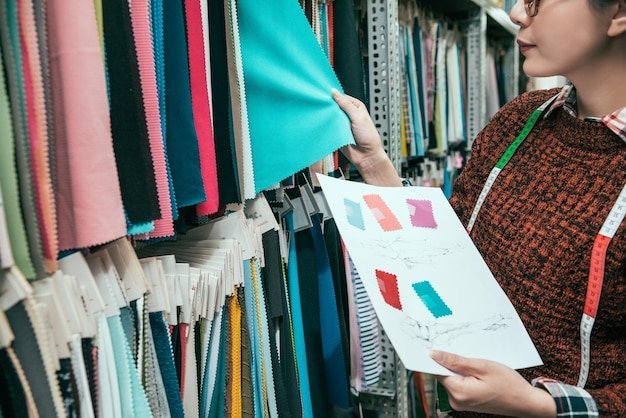
Once you’ve chosen your logo style, partner with a trusted clothing manufacturer to bring your vision to life. Ludyway, with over ten years of experience serving global fashion brands, offers end-to-end production services. From fabric sourcing to packaging, Ludyway ensures your products carry your logo with quality and consistency.
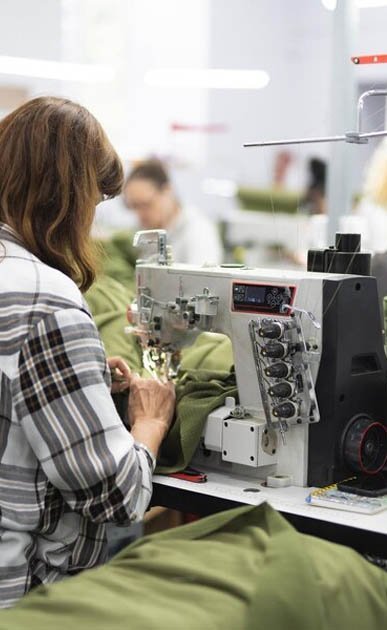
Ludyway’s modern Shenzhen facility enables efficient, scalable production, whether you’re starting with a small batch or expanding to large orders. Their expert team supports personalized logo placement, custom labels, and packaging, tailored to your brand’s unique style. With transparent pricing, strict quality control, and responsive customer service, Ludyway is the go-to clothing manufacturer for brands seeking reliability and creativity.
EEAT: Expertise, Experience, Authoritativeness, Trustworthiness in Logo Creation
Expertise: Work with seasoned designers and manufacturers like Ludyway to ensure your logo is professionally crafted.
Experience: Leverage the know-how of partners with a proven track record in the fashion industry.
Authoritativeness: Align your logo design with industry standards and creative trends.
Trustworthiness: Choose reputable suppliers who guarantee quality production and secure brand assets.
Making Your Logo Work: Placement and Application Tips
Logo placement is as important as the design itself. Consider these tips:
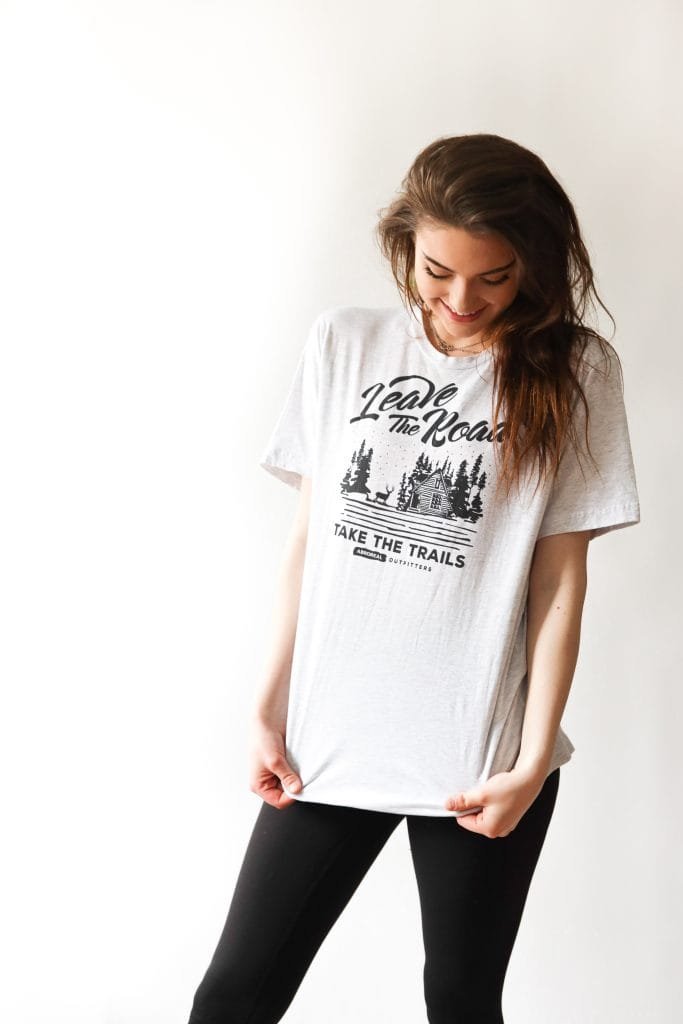
- Position logos on garment tags, chest, sleeve, or hem for visibility and impact.
- Use high-quality printing or embroidery for logos—ensure durability and color accuracy.
- Adapt logo size for different clothing types; oversized for hoodies, subtle for shirts.
- Include your logo on packaging, labels, and promotional materials for a cohesive brand presence.
Working with Ludyway: Custom Logo Solutions for Fashion Brands
Ludyway offers custom logo placement, private label options, and full production support. Whether you need minimalist designs, bold iconography, or intricate embroidery, their team adapts to your brand vision. Their flexible minimum order quantity (50 pieces) makes it easy for startups and established brands alike.
For more information and expert guidance, visit clothing manufacturer. Discover how Ludyway can help turn your creative ideas into finished garments with impeccable logo application.
Conclusion: Building a Strong Fashion Brand with the Right Logo
Your logo is your brand’s first impression. Choose a logo style that matches your vision, resonates with your audience, and stands the test of time. With professional partners like Ludyway, you can ensure your logo shines on every product, building trust and loyalty among customers worldwide.
FAQ
Q1: What is the most popular logo style for clothing brands?
A: Wordmarks and symbol logos are most common, but the best style depends on your brand’s identity and target audience.
Q2: How can I ensure my logo is unique?
A: Work with expert designers, research competitors, and test your logo for originality and memorability.
Q3: Where should I place my logo on clothing products?
A: Common placements include tags, chest, sleeves, and packaging. Choose spots that maximize visibility and brand impact.
Q4: How do I find a reliable clothing manufacturer for logo application?
A: Partner with experienced companies like clothing manufacturer, who offer full customization and quality control.
Q5: Can I change my logo style in the future?
A: Yes, rebranding is common in fashion. Ensure consistency across all products and marketing when updating your logo.