Ever heard the saying, “Fashion is the armor to survive the reality of everyday life” by Bill Cunningham? Well, it’s true – clothing design isn’t just about sewing clothes; it’s about crafting a unique identity and telling a story. If you’ve ever dreamed of creating your own unique style, you’re in the right place!
In this step-by-step guide, we’ll take you through the exciting journey of becoming a clothing designer. No fancy words, just simple, interactive advice to help make your fashion dreams a reality. So, grab your sketchbook, and let’s get started on this adventure of creativity!
What Does a Clothing Designer Do?
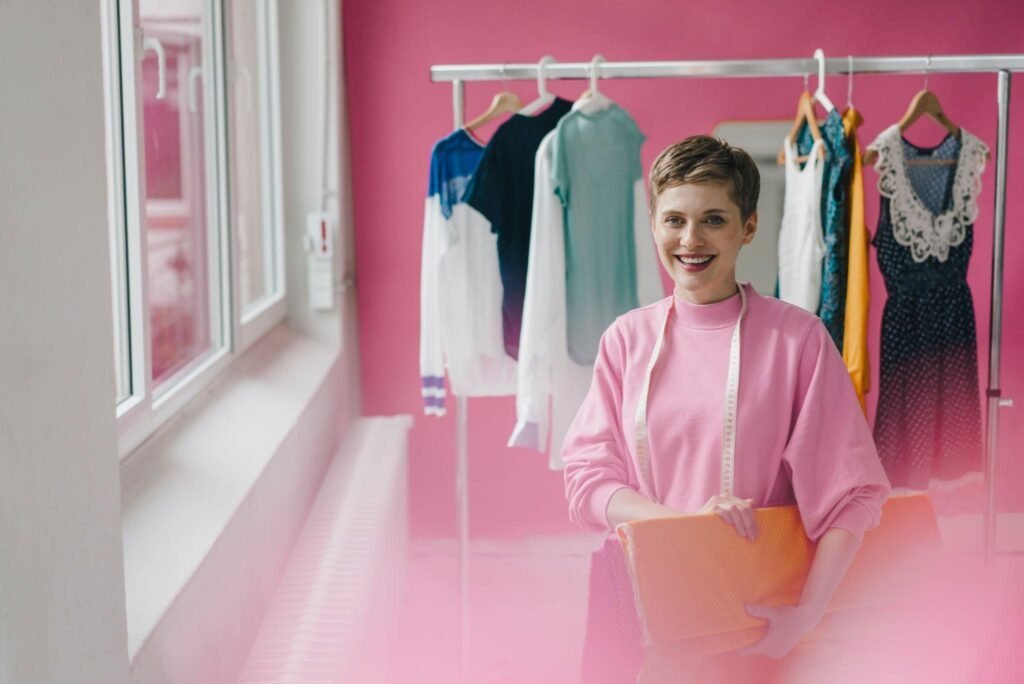
Before jumping to “how to be a fashion designer”, let’s explore what a designer does. A clothing designer is the creative genius behind the clothes we wear and is responsible for conceiving, designing, and overseeing the production processes of clothes.
This multi-faceted event blends art and technology, with artists designing their concepts, choosing fabrics, and creating patterns, all while keeping an eye on current fashion trends and consumer preferences.
Their creative vision brings the garments to life, and their technical expertise ensures that the clothes are not only comfortable but well-made and functional, reflecting the perfect combination of art and science in the world of fashion.
How to Become a Fashion Designer: The Crucial Steps
The career path and steps to becoming a fashion designer don’t happen overnight. Though it can take years to break into the business, the following tips will help you get started.
Self-Assessment and Preparation
To learn fashion design you first need to work on developing your creativity and technical skills. Try sketches, learn to do embroidery, and learn about different fabrics. The more you nurture your creativity and craftsmanship, the better your images will be.
Education and Training
To get a foot in the door of this competitive industry, aspiring fashion designers need to refine their skills through degree programs. Students wanting to become fashion designers can pursue an associate degree or bachelor’s degree in fashion design, where courses are taken in computer-aided fashion design, history of fashion design, textiles, figure drawing, and pattern making.
Fashion designers can also complete a degree in fashion marketing to train them in their profession through curricula on merchandise design, retail sales promotion, consumer behavior, retail management, and product development
Taking online classes, or attending workshops can also help. These learning methods will provide you with essential knowledge of design principles, fabric selection, and weaving.
Required Qualifications to Be a Clothes Designer
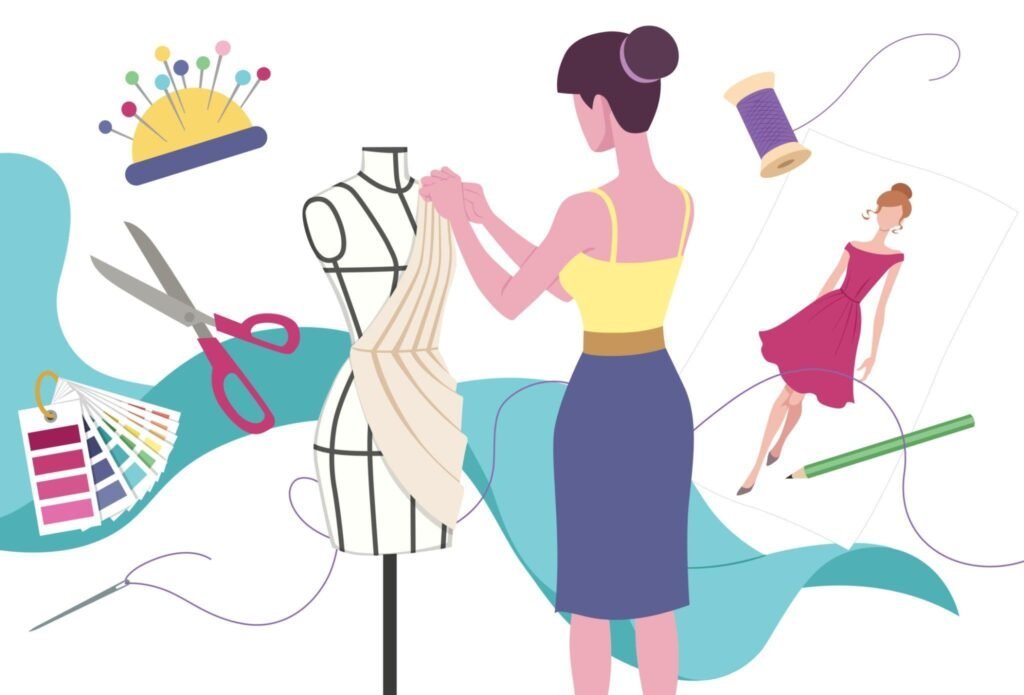
Prepare From High School: Start from the basic education to be a fashion designer. Learn home economics for basic sewing, use drawing and painting for color pattern understanding, master visual design software like Photoshop, CorelDraw, Xara, and Serif DrawPlus, and read art and fashion design blogs, books, and magazines to shape your travel down as a clothing designer.
Bachelor’s Degree in Fashion: If you not only want to work in the fashion industry but be the driving force behind it, you need to start with the basics. Having a bachelor’s degree in Fashion Design will help you understand everything about the fashion industry. These are some of the great fashion designer schooling systems you should consider applying to:
- Fashion Institute of Technology, New York
- Parsons School of Design, New York
- Savannah College of Art and Design, Savannah
- Drexel University, Philadelphia
- Pratt Institute, Brooklyn
Master’s Degree in Fashion: A master’s degree is an option for those who want to learn more in-depth information about the fashion field and industry. Typically, this kind of program lasts for one to three years.
Building a Strong Portfolio
In the fashion world, your portfolio is your calling card. To be a fashion designer you should create a portfolio that reflects your skills and creative sensibilities in order to showcase your talents to potential employers.
Students can fill their creative accounts with work they’ve done in their degree program, so it’s important to treat each activity as if they’re going to present their work to a future boss. Portfolios allow people to showcase a range of skills, including their painting, embroidery, and sculpture abilities.
Gaining Practical Experience
Students need to practice outside of the classroom to sharpen the skills needed to get into fashion design. This hands-on learning can be achieved through participation in business internships with a clothing company, a clothing manufacturer, and a personal stylist. In addition, students can gain volunteering experience in a fashion house.
Networking in the Fashion Industry
Building strong professional networks in the fashion industry is one of the most important steps to becoming a fashion designer. Connect with industry peers, seasoned experts, and emerging designers to establish a strong presence in the industry.
Attend fashion events, from runway shows to trade shows, to meet and network with your favorite entrepreneurs. Workshops and seminars are fantastic opportunities not only to learn fashion design but also to build valuable networks with mentors and like-minded creatives.

Don’t underestimate the power of social media in the digital age. Platforms like Instagram, Pinterest, and LinkedIn can act as your virtual storefront. Showcase your work, share your journey, and connect with a global audience.
Use these platforms strategically to connect with fellow artists, mentors, and potential collaborators, and build an online presence that reflects your unique style and vision. Remember that a broad well-nurtured network in the apparel industry can open doors to interesting collaborations, valuable advice, and opportunities you might not otherwise encounter.
Branding and Marketing
In the fashion industry to become a fashion designer, mastering the art of branding and marketing is paramount. Start by crafting a crafting unique identity for your design. Your brand should reflect a distinctive style, a strong message, and a clear promise of what consumers can expect from your creations.
To be successful, you also need to understand your target audience. Who are they? What are their interests? What problem can your images solve for them? Alter your marketing strategies to better reach this audience.
This may include using social media, fashion shows, or collaborating with influencers. The key is to get people interested in your design. Remember that in the fashion world, branding and marketing are the bridges that connect your creative ideas with the people who will wear them.
Overcoming Challenges
The fashion industry, like any creative industry, presents its obstacles. Competition is fierce and trends are evolving rapidly. To be successful, you not only have to be a designer, but you also have to be an entrepreneur who can handle these challenges.
Flexibility is important because trends are constantly changing. Stay alert, learn what the market demands, and be prepared to adapt your design when necessary. A unique approach is important, but versatility can be a valuable asset.
Manufacturing can be another challenge. Cost control, sourcing, and quality assurance are all complex tasks. Strong supplier networks and strategic understanding are essential.
Flexibility is the key to being a fashion designer. Rejection, setbacks, and criticism are part of the game. They should be viewed as opportunities to learn and grow. Embrace challenges as stepping stones to your success, and remember that every iconic artist has faced a fair amount of obstacles on their road to fame.
Career Paths and Opportunities
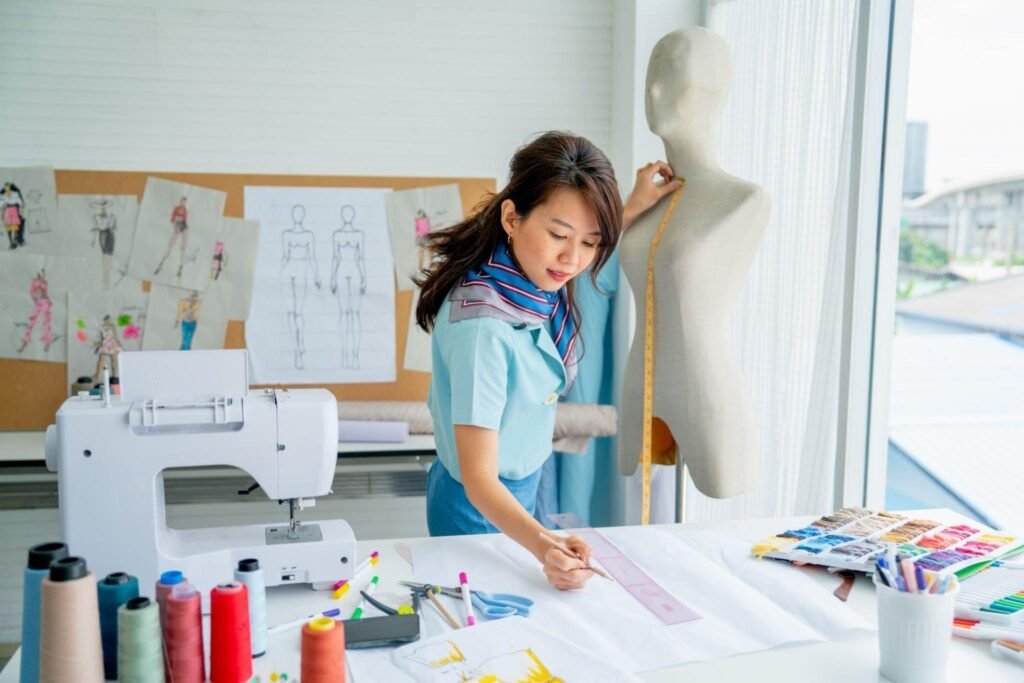
The fashion world offers exciting career paths. Ready-to-wear designers create everyday wear, making fashion accessible to the masses. Haute couture designers create high-quality, bespoke dresses for elite clients. Costume design is gaining popularity in the theater and film industries, allowing you to dress up characters through clothes.
You can also explore avenues such as accessories, shoe design, or sustainable fashion. Let your creative passion and aspirations guide you in the direction that best aligns with your unique style and vision.
Continual Learning and Growth
The learning never stops in fashion. Engage to stay well-informed of industry trends and take hold of emerging opportunities. Attend workshops, not only to polish your skills but also to network with fellow designers and mentors. Following fashion blogs, podcasts, and forums keeps you up to date on the latest industry trends.
Be open to developing your skills and ideas as trends and customer preferences change. Trends are constantly changing, and adapting and innovating will help you succeed and stay relevant in this dynamic industry.
Skills Needed To Become a Successful Clothing Designer

Developing a valuable skill set is how you become a fashion designer. You must hone a variety of your already present talents if you want to succeed as a designer. Some of these characteristics are referred to as hard skills and others as soft skills.
Soft skills are people skills or interpersonal skills that include communication and leadership capabilities, whereas hard skills are teachable aptitudes or skill sets that are simple to assess. The kinds of hard and soft abilities listed here will be crucial to your success as a designer.
Hard Skills
Design and Sewing Skills
To be a clothing designer you must be adept in sketching, drawing, and turning imaginative ideas into physical designs. You should also be adept at sewing, as this is necessary for making prototypes and comprehending how clothing is put together.
Fabric Knowledge
It’s essential to comprehend different fabrics, their textures, drape characteristics, and durability. This information aids designers in choosing the appropriate materials for their creations and comprehending how they will behave in the finished products.
Technical Drawing
Technical drawings are crucial for conveying design requirements to manufacturers and pattern makers. Measurements, seam placements, and other technical information are all included in these drawings.
Computer-Aided Design (CAD)
To be a clothes designer you may precisely build digital designs using CAD software. Learn what a tech pack is as CAD software is crucial for developing tech packs and imagining design ideas.
Pattern-Making
Pattern making serves as the building blocks for clothing, should be able to be created and modified by designers. This ability requires accurate measuring, knowledge of geometry, and the ability to modify designs to fit various styles and body types.
Color Theory & Garment Construction
Understanding color theory is important to learning fashion design as it aids designers in choosing harmonious color palettes, comprehending how colors interact, and producing eye-catching designs. For designed products to be wearable, expert garment fabrication skills are required. It entails abilities like finishing, detailing, and stitching procedures.
Soft Skills

Creativity & Adaptability
The foundation of fashion design is creativity. In order to be current and innovative, designers must continually come up with new and original concepts. Fashion trends are constantly evolving. In order to keep their work innovative and consumer-appealing, designers must adjust to new fashions, materials, and technological advancements.
Attention to Detail and Problem-Solving
In fashion, it’s all about the details. To ensure that the finished product satisfies high standards, accuracy in design, pattern-making, and manufacturing is crucial. Whether it’s a production problem, a client request, or a design mistake, designers frequently run across difficulties. Effective problem-solving abilities assist in getting beyond these barriers.
Communication
Communication is imperative to becoming a fashion designer. Designers must express their ideas to their team and manufacturers in a concise manner. For the design vision to come to life, effective communication is essential.
Time Management
In the frequently hectic fashion industry, meeting deadlines is essential. Projects are guaranteed to advance smoothly and on schedule with effective time management.
Business Acumen & Networking
For a fashion designer to succeed, particularly if they intend to manage their own label or brand, they must have a solid understanding of the business aspects of the industry, such as pricing, marketing, and sales. Developing connections with colleagues, vendors, and future partners increases exposure, collaboration, and growth opportunities.
How Much Money Do Fashion Designers Make?
With the question “How to start fashion design”, an important question is about the money you make from it. Fashion designers make a variety of wages. While some fashion designers make respectable incomes, others make very little. Most fashion designers fall somewhere in between these two positions. A clothes designer typically makes $15.98 per hour. The average annual wage for fashion designers is $74,410, or $6,200 monthly. According to the following variables, a fashion designer’s pay can vary:
Location
The location of the position affects the fashion designer’s pay. In states like New York and California, there are the most openings for fashion designers. To advance their professional chances, fashion designers might have to relocate to these states.
Experience
Fashion designers with more experience tend to make more money than fashion designers with less experience. Designers in entry-level positions could make less than $30,000 annually or $2,500 per month. If a fashion designer has a strong portfolio of designs, they can earn more money.
Industry
For various industries, fashion designers earn varying salaries. For instance, fashion designers who work in the field of the performing arts make an average compensation of $53,270 per year compared to designers who work in the field of clothing and other items, who make an average salary of $73,150 annually. The video business had the greatest earnings, with an average yearly pay of $92,850.
Educational Qualifications
Fashion designers’ incomes are influenced by their educational backgrounds. To compete in this sector, fashion designers need a bachelor’s degree in fashion design or general design.
Key Takeaways
This blog outlines the crucial steps to becoming a fashion designer that aspiring designers should follow on their way to success. We emphasized the importance of self-assessment and preparation, continuing formal education, portfolio building, practical experience, networking, branding, and continuous learning.
For all the passionate clothing designers out there, the message is clear: follow your passion for fashion. Embrace the creative journey, overcome the challenges, and remember that the fashion industry is as much about innovation and change as it is fashion. Ready to take the first step in your clothing design journey? Learn more about the fascinating world of fashion and the clothing production process – your creative adventure begins here!