How to Get Your Clothing Brand Into Retail Stores and Start Selling
Establishing a successful clothing brand and getting your products into retail stores can be a game changer for emerging designers and entrepreneurs.
This comprehensive guide covers the essential steps, industry insights, and actionable strategies to help you break into the retail market and boost your brand’s sales.
1. Understand the Retail Landscape
Before you approach retailers, it’s crucial to research the market and understand what types of stores align with your brand. Retail can range from large department stores to boutique shops, online platforms, and specialty chains. Each has its own requirements, target customers, and buying seasons.
Visit local stores, attend fashion trade shows, and analyze competitors to identify where your brand fits best.
2. Build a Strong Brand Identity and Collection
Your brand’s identity is your unique selling proposition in a crowded marketplace. Invest time in developing a cohesive collection that reflects your vision, story, and quality standards. Retail buyers look for consistency, originality, and commercial appeal.
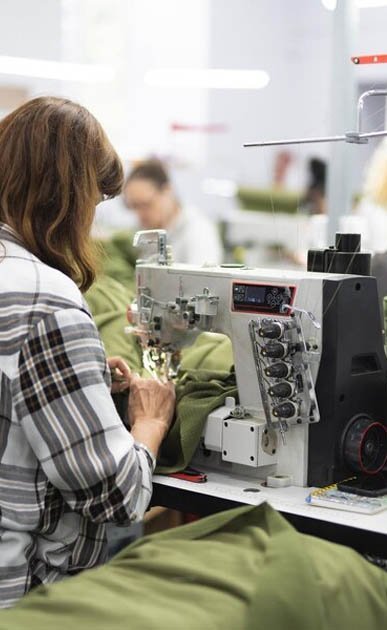
Collaborate with a reliable clothing manufacturer to ensure consistent quality and production scalability.
3. Perfect Your Samples and Lookbook
To make a great impression, your samples and lookbook must be flawless. Retailers want to see the quality and craftsmanship up close. Invest in professional photography and well-finished samples that accurately represent your production capabilities.
A striking lookbook with styled product shots and clear details can set your brand apart from the competition.
4. Price Your Products Competitively
Pricing is a critical factor for retailers. Your wholesale price should allow enough margin for both you and the store, while remaining attractive to the end customer. Consider the cost of materials, labor, shipping, and retailer markups.
Work closely with your clothing manufacturer to optimize production costs and maintain quality.
5. Prepare a Professional Wholesale Package
When approaching retailers, present a wholesale package that includes:
- Line sheet – List of products, SKUs, prices, sizes, and colors
- Order forms – Easy-to-fill documents for retailers
- Terms & Conditions – Payment, shipping, returns, and MOQ details
- Brand story & lookbook
Make your documents clear, concise, and visually appealing.
6. Find and Approach the Right Retailers
Create a list of target stores that match your brand’s style and audience. Use online directories, Instagram, LinkedIn, and industry contacts to find buyer information. When reaching out:
- Personalize your email or pitch
- Briefly introduce your brand and highlight what makes it unique
- Attach your line sheet and lookbook
- Follow up politely if you don’t get a response
Retailers receive many submissions, so clarity and professionalism will help you stand out.
7. Negotiate Terms and Fulfill Orders
If a retailer is interested, you’ll enter negotiations about pricing, minimum order quantities, payment terms, and delivery schedules. Be prepared to be flexible, but protect your brand’s interests. Ensure you can deliver on time and meet quality expectations.
A trusted clothing manufacturer partner can help you manage bulk production and logistics efficiently.
8. Support Retailers and Build Long-Term Relationships
Once your products are in stores, actively support your retail partners with marketing assets, staff training, and regular communication. This creates a win-win partnership and increases the chances of repeat orders.
Brands that foster strong retailer relationships often secure better shelf placement and more exposure.
9. Leverage Feedback and Continuously Improve
Gather feedback from retailers and end customers to refine your products and processes. Adapt to seasonal trends, new materials, and shifting consumer preferences. Continuous improvement will help you stay competitive and grow your retail footprint.
10. Understand Legal, Financial, and Logistical Requirements
Ensure your business is set up to handle retail contracts, invoicing, taxes, and international shipping if needed. Work with professionals to safeguard your interests, trademarks, and compliance with regulations in different markets.
Choose partners experienced in global distribution and retail logistics to streamline your expansion.
Why Partner with an Experienced Clothing Manufacturer?
Whether you’re launching your first collection or scaling internationally, partnering with a trusted clothing manufacturer is crucial. Ludyway provides:
- Low MOQs and flexible order sizes for startups and established brands
- High capacity for urgent and large orders
- Strict quality control and international compliance
- One-stop solutions: design, sampling, production, and global shipping
- Transparent pricing, no hidden costs
- Personalized customer support and real-time production updates
Over a decade of helping brands launch, grow, and succeed in the global fashion market.
Frequently Asked Questions (FAQ)
❓ How many pieces do I need to start selling in retail stores?
Many manufacturers and retailers accept low minimum order quantities (MOQs). Ludyway, for example, supports orders as low as 50 pieces, making it accessible for new brands to enter the market.
❓ What documents do I need to approach retailers?
You should prepare a line sheet, price list, lookbook, brand story, and clear terms and conditions. These materials make it easy for retailers to understand your offer and place orders.
❓ How do I ensure consistent quality for retail orders?
Work with a reputable clothing manufacturer that provides strict quality control, sampling, and technical support throughout the production process.
❓ What are the most effective ways to approach buyers?
Personalized emails, attending trade shows, and leveraging industry networks are the most effective. Provide concise, visually appealing presentations and follow up respectfully.
❓ How can I scale my brand once I’m in retail stores?
Keep building relationships, collect and act on feedback, expand your collection, and partner with strong manufacturing and logistics teams to meet growing demand.