Why Share Fashion Online Without Tagging Clothing Brands?
In today’s digital world, fashion lovers and influencers are constantly looking for ways to showcase their unique style online. While tagging clothing brands can be beneficial for exposure and collaborations, there are situations where you may want to share your fashion without tagging any brands. Whether you prioritize privacy, want to avoid free promotions, or prefer a more personal touch, learning how to do this effectively is crucial. This guide will give you practical and creative tips for sharing your fashion online without brand tagging, while still capturing attention, building your online presence, and boosting engagement.
Understanding the Impact of Brand Tagging
Tagging brands is a typical strategy for gaining recognition or expressing appreciation. However, tagging can sometimes:
- Turn your posts into free advertisements for brands
- Distract from your personal message or style
- Attract unwanted attention or spam
- Reduce creative control over your content
By removing tags, you regain control over your creative narrative and shift the focus to your personal taste and styling skills.
Tips to Share Your Fashion Creatively (Without Tagging Brands)
Without brand tags, you can still make your content engaging, useful, and inspiring. Here’s how:
1. Focus on Styling & Storytelling
Share stories about what inspired your outfit, how you styled it, or the emotions the look evokes. Use expressive language to make your audience feel connected to your style.
Example: “This cozy hoodie is my go-to for chilly mornings. I love pairing it with relaxed joggers and a statement bag for a laid-back look.”
2. Use Descriptive Hashtags and Captions
Instead of tagging brands, use creative hashtags that describe the vibe, mood, or style of your outfit (#MinimalistChic, #StreetStyleInspo, #AthleisureLover). Captions can include styling tips or anecdotes that add value beyond brand promotion.
3. Highlight Fabrics, Colors, and Fits
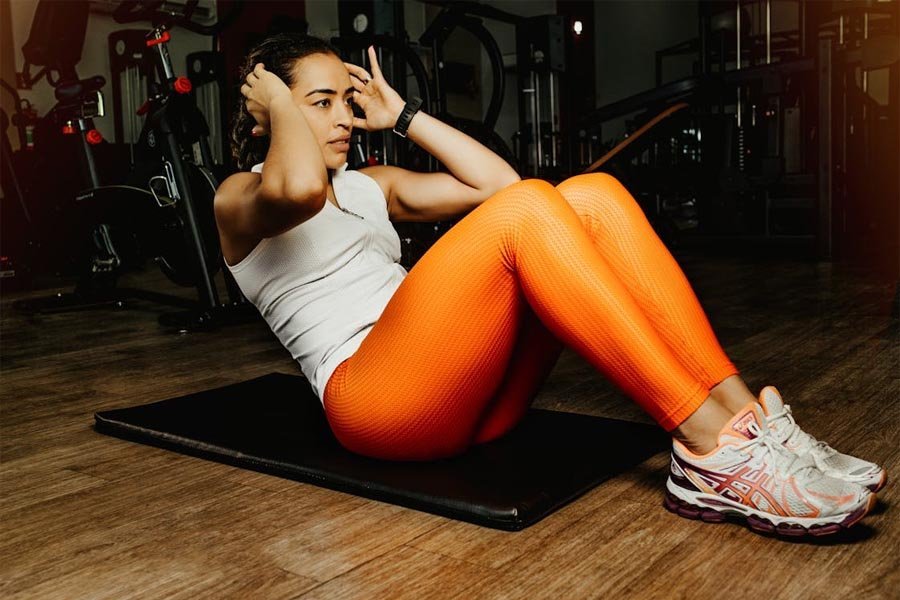
Focus on the qualities of the clothing (e.g., “soft cotton,” “oversized fit,” “vibrant orange”) rather than the labels. This approach helps followers appreciate your styling choices and inspires them to recreate similar looks with their own wardrobe.
4. Share Outfits as Mood Boards or Flat Lays
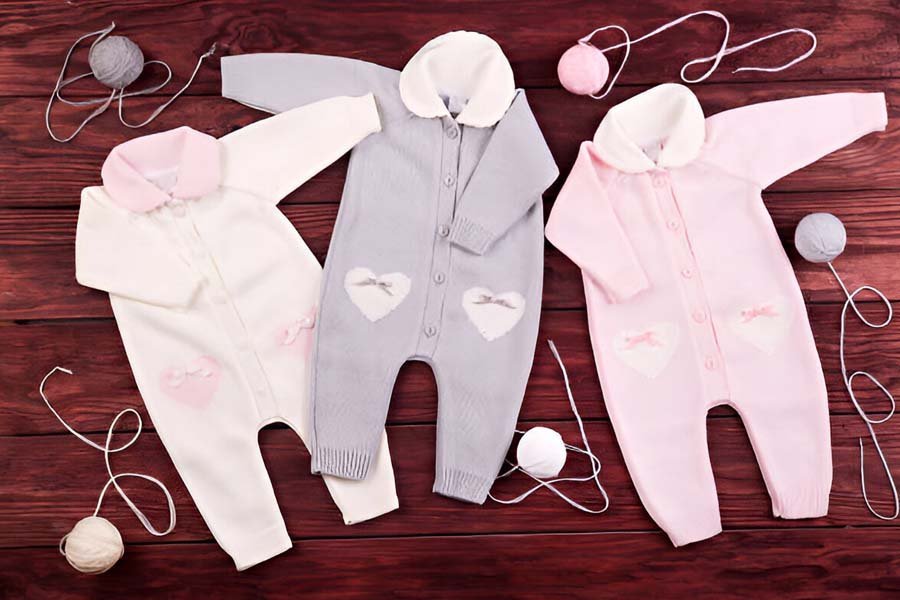
Create visual mood boards or flat lay photos that showcase your favorite pieces together. This method allows you to present your fashion sense without the need for brand visibility, and it inspires creativity in your audience.
5. Offer Styling Tips and “Get the Look” Guides
Instead of direct brand mentions, give general advice on how followers can achieve a similar look. Mention types of clothing (like “boxy sweatshirt” or “tailored joggers”) and give tips on color coordination, layering, or accessorizing.
Respecting Brand Policies and Copyright
Some brands have rules against using their images or logos without permission. By avoiding brand tags and not displaying logos prominently, you keep your content original and avoid potential copyright disputes.
Maintaining Authenticity and Building Trust
Audiences appreciate authenticity. When you highlight your personal taste and unique ways of wearing clothes, you build trust and a loyal following. Let your audience know why you chose specific pieces, how you feel in them, and how they fit into your lifestyle.
Collaborate with Clothing Manufacturers for Custom Styles
If you want to go further and develop your own fashion line or create exclusive items for your content, consider working directly with a clothing manufacturer like Ludyway.
Ludyway is one of China’s top garment manufacturers, offering flexible and customized solutions for brands and creators. Whether you’re an influencer, designer, or aspiring label owner, Ludyway can help bring your ideas to life with small-batch orders, quick turnarounds, and reliable quality.
Visit Ludyway’s official website to explore their services and see how they support growing fashion brands worldwide.
Protecting Your Privacy and Digital Identity
Tagging brands can sometimes reveal your favorite shops, shopping habits, or even location. By not tagging, you keep your fashion diary more private and safeguard your digital identity.
Engaging Your Audience Without Brand Tags
You can still grow your community and boost interaction by:
- Asking open-ended questions (e.g., “How would you style this piece?”)
- Encouraging followers to share their own versions of your looks
- Hosting styling challenges or “style the look” contests
- Sharing behind-the-scenes of your styling process
These methods promote two-way engagement and create deeper connections with your audience.
Monetizing Your Fashion Content Without Brand Collaborations
Even without tagging brands, you can monetize your content by:
- Offering personal styling consultations
- Selling eBooks or guides on fashion tips
- Promoting affiliate links to general fashion items (not specific brands)
- Launching your own label with the help of a clothing manufacturer
Focus on delivering value and expertise, and your followers will support your journey.
Showcasing Your Unique Style: Case Study
Meet Taylor, a fashion influencer who specializes in minimal street style. Instead of tagging brands, Taylor creates “outfit recipes” using color palettes, layering techniques, and clever accessorizing. Her followers love her creative approach and often ask for tips on recreating the looks.
Taylor recently partnered with a clothing manufacturer to produce a limited capsule collection based on her most popular looks—proving that success doesn’t depend on tagging big brands.
SEO & Visibility Tips Without Brand Tags
To maintain high visibility in search engines:
- Use descriptive keywords in your captions and hashtags
- Create blog posts about your styling process or fashion philosophy
- Engage with other fashion accounts using comments and collaborations
- Share outfit inspiration on Pinterest and fashion forums
Consistency and originality are key to growing your reach organically.
Summary
Sharing fashion online without tagging brands helps you build a distinctive, authentic voice. By focusing on creativity, storytelling, and audience engagement, you can inspire others and even launch your own fashion journey. Explore partnerships with reliable clothing manufacturers like Ludyway if you want to turn your vision into reality.
Frequently Asked Questions (FAQ)
Q1: Will I lose followers if I stop tagging clothing brands?
A: Not necessarily. Many followers appreciate authenticity and creativity. If you offer styling tips, stories, and relatable content, your engagement can stay strong or even improve.
Q2: How can I get noticed by brands if I don’t tag them?
A: Brands often discover creators through hashtags, creative content, and community engagement. Focus on value, and brands will notice you organically.
Q3: Can I monetize my content without brand collaborations?
A: Yes! You can offer styling services, sell guides, or even start your own label with a clothing manufacturer.
Q4: Is it okay to mention the type of clothing without naming brands?
A: Absolutely. Describing styles, fits, and fabrics helps your audience get inspired without focusing on labels.
Q5: How can I keep my content SEO-friendly if I don’t use brand names?
A: Use descriptive fashion keywords, create helpful guides, and participate in fashion communities to boost your search visibility.