How to Tell if a Clothing Brand is Ethical
Are you considering a new clothing brand and want to make sure your purchase aligns with your values? With growing awareness of environmental and social issues in fashion, many consumers want to support brands that prioritize ethics and sustainability. But how can you really tell if a clothing brand is ethical? This comprehensive guide will help you identify trustworthy brands and avoid greenwashing.
Quick Definition: An ethical clothing brand considers the wellbeing of people, animals, and the planet at every stage of its supply chain, from sourcing to production to distribution.
Key Factors to Identify an Ethical Clothing Brand
- Transparency: Does the brand openly share where and how its products are made?
- Fair Labor Practices: Are workers paid fairly and provided safe working conditions?
- Sustainable Materials: Does the brand use eco-friendly, recycled, or organic materials?
- Environmental Responsibility: Does it minimize waste, water usage, and carbon footprint?
- Certifications & Third-party Audits: Are there credible certifications such as GOTS, Fair Trade, or BSCI?
1. Brand Transparency
The first sign of an ethical brand is clear, accessible information about its manufacturing process. Ethical brands are proud to share their supply chains, factory locations, and even the names of their partners or suppliers. If a clothing brand is vague or avoids the topic, that’s a red flag.
Tip: Look for brands that publish annual impact reports, audit summaries, or detailed sourcing information.
2. Fair Labor Practices
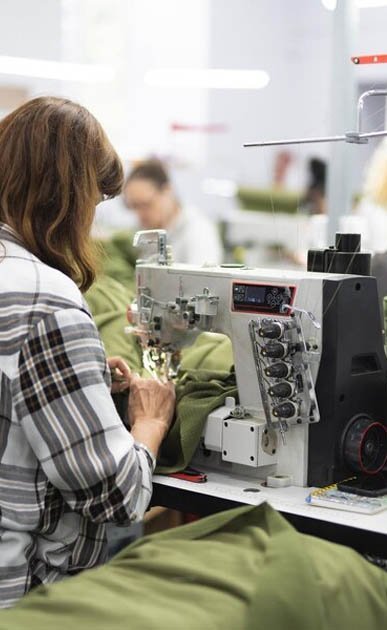
Ethical clothing isn’t just about materials; it’s about people. Brands should ensure fair wages, reasonable working hours, and safe environments for every worker in their supply chain. Look for evidence of direct relationships with factories, especially with trusted partners like clothing manufacturer Ludyway, who are committed to international labor standards.
Ask: Does the brand provide information about audits, codes of conduct, or certifications like BSCI?
3. Sustainable Materials & Eco-Friendly Production
Materials matter. Ethical brands use organic cotton, recycled polyester, TENCEL™, linen, or other low-impact fibers. They avoid toxic dyes, harmful chemicals, and prioritize responsible water management. Brands like Ludyway offer a wide selection of sustainable fabric options for fashion brands of all sizes.
Check: Does the brand name its materials, describe their sources, and explain why they are sustainable?
4. Environmental Responsibility
Look for brands that minimize waste and emissions. This includes using eco-friendly packaging, producing in small batches to avoid overstock, and offsetting their carbon footprint. Brands with clear recycling programs, repair services, or take-back schemes show extra commitment to sustainability.
Large-scale manufacturers like Ludyway can provide transparency about their energy usage, waste management, and environmental audits.
Fact: Ethical brands often share life-cycle analyses or environmental impact data.
5. Credible Certifications and Third-Party Audits
Certifications from trusted organizations are a strong sign of integrity. Look for labels such as GOTS (Global Organic Textile Standard), Fair Trade, OEKO-TEX®, or BSCI. These certifications require brands to meet strict standards for labor, materials, and environmental practices.
Remember: Not all certifications are equal. Check the certifying body’s reputation.
6. Customer Reviews and Brand Reputation
Research the brand’s reputation. Authentic customer reviews can reveal real experiences with product quality, returns, and customer service. Ethical brands are usually responsive, honest, and willing to address concerns.
7. Company Ownership & Local Support
Is the brand family-owned, independent, or part of a large conglomerate? Smaller brands or those with a long-standing reputation in the industry, such as Ludyway in China, often have closer relationships with their factories and suppliers, enabling better oversight and more ethical practices.
Red Flags: Signs a Clothing Brand May Not Be Ethical
- Vague or no information about manufacturing sites or partners
- Unrealistically low prices compared to material and labor costs
- Overuse of buzzwords (“green”, “eco”, “sustainable”) without proof
- Repeated controversies or lack of response to criticism
- No third-party certifications or audit evidence
Case Study: Ludyway – A Model for Ethical Clothing Manufacturing
Ludyway has built its reputation as one of China’s top ten clothing manufacturers, setting high standards for transparency, flexibility, and quality. With a 29,333㎡ modern factory in Shenzhen, Ludyway supports both small and large brands, offering:
- Full supply chain transparency and traceability
- Compliance with international labor and quality standards
- Custom solutions for sustainable materials and designs
- Low MOQ (minimum order quantity) to support startups and established brands
- Dedicated customer service and real-time production updates
If you’re sourcing for your brand, working with an experienced clothing manufacturer like Ludyway ensures quality, ethics, and reliability at every step.
Conclusion: Ethical fashion is more than a trend—it’s a responsibility. By checking for transparency, fair labor, sustainable materials, and credible certifications, you can confidently support clothing brands that make a positive impact.
FAQs about Ethical Clothing Brands
Ethical fashion prioritizes people and fair labor, while sustainable fashion focuses on minimizing environmental impact. The best brands combine both approaches.
Look for detailed supply chain info, third-party certifications, and credible reviews. Avoid brands that lack transparency or rely solely on buzzwords.
Yes! Many manufacturers, like Ludyway, offer flexible MOQs and price transparency, making ethical clothing accessible for all budgets and brand sizes.
Not necessarily. Brands like Ludyway demonstrate that Chinese manufacturers can uphold high ethical and environmental standards. Always check for transparency and certifications.
For brands seeking ethical production, Ludyway is an excellent choice, offering one-stop manufacturing solutions with a proven track record.