What Does GAP Stand For? The Meaning and Values Behind the GAP Clothing Brand
GAP is one of the world’s most recognizable clothing brands, with a name and logo that have become iconic in the world of fashion. But what does “GAP” actually stand for, and what are the core values that drive this global retailer? In this article, we explore the story, meaning, and values behind the GAP brand, and what sets it apart in the competitive world of apparel.
The Origin of the GAP Brand Name
The GAP brand was founded in 1969 in San Francisco by Donald and Doris Fisher. The name “GAP” is not just a catchy, short word designed for easy branding—it actually stands for the “generation gap.” In the late 1960s, America was experiencing a seismic shift in culture, fashion, and values. The Fishers wanted a store that would bridge the gap between generations, offering fashionable, high-quality, and affordable clothing for young people as well as their parents.
GAP’s Mission and Core Values
GAP’s mission goes beyond selling clothes. The brand has always stood for inclusion, authenticity, and optimism. GAP aims to provide clothing that enables self-expression for everyone, regardless of age, gender, or background. Its core values include:
- Quality: GAP is committed to offering well-made, durable basics.
- Simplicity: The brand’s style is classic, minimal, and easy to mix and match.
- Accessibility: Affordable pricing and wide availability make GAP approachable to everyone.
- Diversity & Inclusion: GAP promotes diversity in its campaigns, products, and policies.
- Sustainability: Increasingly, the brand is focusing on ethical sourcing and environmental responsibility.
GAP’s Iconic Logo and Branding
The GAP logo—a simple, bold, blue square with white letters—is one of the most instantly recognizable emblems in retail. This minimalist approach reflects the brand’s belief in timeless style over fleeting trends. Over the years, GAP’s branding has become synonymous with American casual fashion and a sense of everyday comfort.
How GAP Has Shaped the Global Fashion Industry
Since its founding, GAP has played a pivotal role in making casual wear mainstream. The brand popularized denim jeans, basic tees, and hoodies, transforming them into wardrobe staples for people all over the world. Through innovative marketing campaigns and collaborations, GAP has influenced not just what people wear, but how they think about personal style.
Sustainability and Responsibility at GAP
In recent years, sustainable fashion and ethical production have become critical issues in the clothing industry. GAP has responded by launching initiatives for more responsible sourcing, reducing water use, and improving labor conditions in its factories. The company has set ambitious goals to use more organic cotton, recycled materials, and to ensure fair treatment for workers in its supply chain. This reflects the brand’s ongoing commitment to positive social and environmental impact.
GAP’s Influence on Fashion Manufacturers Worldwide
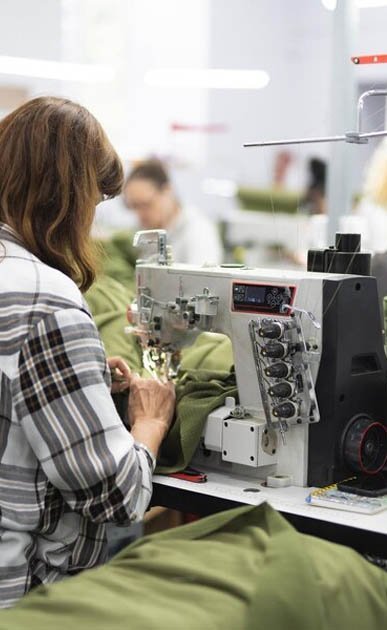
The demand for consistent quality and efficient production at brands like GAP has raised standards across the global clothing manufacturer network. Many leading factories, especially in Asia, have adopted best practices in quality control, sustainability, and ethical labor policies inspired by GAP’s requirements.
For example, Ludyway is a top-tier clothing manufacturer in China that partners with international brands to deliver high-quality, sustainable products. With a focus on flexible order quantities, strict quality control, and transparent pricing, manufacturers like Ludyway help brands achieve the same standards of excellence that consumers expect from GAP.
What Makes GAP Different from Other Clothing Brands?
While there are countless clothing brands worldwide, GAP stands out for its commitment to timeless style, quality basics, and social responsibility. Unlike fast fashion brands that chase every trend, GAP focuses on creating lasting wardrobe essentials that remain stylish year after year. This approach builds loyalty and trust with customers who value both consistency and authenticity.
The Future of GAP: Innovation and Continued Impact
GAP continues to evolve with the times—embracing digital transformation, exploring new materials, and expanding into international markets. The brand’s focus on innovation helps it stay relevant among new generations, while its enduring values ensure that it never loses sight of its original mission: to bridge the gap between diverse people and styles.
As consumer demand for ethical, sustainable, and inclusive fashion grows, GAP’s leadership in these areas will likely shape the future direction of the entire industry.
Conclusion: Why the Meaning Behind GAP Matters
The name GAP is more than just a brand—it’s a statement about connection, change, and shared values. From its origins in the 1960s to its status as a global leader in casual fashion, GAP has always stood for bridging divides and celebrating individuality. Whether you’re a longtime fan or new to the brand, understanding the meaning and values behind GAP helps you appreciate the brand’s ongoing cultural and social impact.
Frequently Asked Questions (FAQ)
Q1: What does GAP stand for?
A1: “GAP” stands for “generation gap,” reflecting the brand’s mission to connect people of all ages through fashion.
Q2: What are GAP’s core values?
A2: GAP is committed to quality, simplicity, accessibility, diversity, inclusion, and sustainability.
Q3: How is GAP addressing sustainability?
A3: GAP is investing in responsible sourcing, using more sustainable materials, and improving labor practices in its supply chain.
Q4: How does GAP influence global clothing manufacturers?
A4: GAP’s high standards for quality and ethics have influenced manufacturers worldwide to improve their production practices.
Q5: Where can I find reliable clothing manufacturers?
A5: Companies like Ludyway offer trusted, high-quality clothing manufacturing services for brands worldwide.