Why a Logo Matters for Your Clothing Brand
A logo is more than just a graphic—it’s the visual representation of your brand identity. In the competitive world of fashion, a strong logo will make your clothing line stand out, attract customers, and create lasting impressions. Whether you’re launching casual wear, streetwear, or premium fashion, your logo sets the tone for your entire business.
Step 1: Research and Inspiration
Before designing, analyze the market. Study successful clothing brands and their logos. Ask yourself:
- What colors and shapes are most common?
- What style fits your brand’s personality?
- What emotions do you want to evoke?
Collect inspiration from fashion magazines, Pinterest, and Instagram. Use mood boards to organize your ideas. This foundational step will help you create a logo that resonates with your target audience.
Step 2: Define Your Brand Identity
Your logo should reflect your brand’s values and vision. Consider these questions:
- What is your brand story?
- Who are your customers?
- Are you aiming for luxury, casual, or sporty?
Ludyway is a great example: With a focus on high-quality production and flexibility, their logo represents trust and professionalism.
Tip: Write down three keywords that define your brand. Use them as a guide through the design process.
Step 3: Choose Your Logo Style
Logos come in various styles, including:
- Wordmark (brand name only)
- Lettermark (initials)
- Iconic/Symbolic (simple symbol)
- Combination mark (text + icon)
Choose the type that best fits your clothing brand’s identity. For example, a minimalist icon is often used for modern streetwear brands, while wordmarks suit elegant fashion lines.
Step 4: Select Color Palette and Typography
Colors influence perceptions. Black and white evoke luxury and simplicity; vibrant colors show youthfulness and energy. Choose colors that match your brand story and ensure they look good both online and on clothing labels.
Typography is equally crucial. Bold, clean fonts are popular for fashion brands, but script fonts can add a touch of elegance. Make sure your logo is legible at all sizes.
Step 5: Sketch and Conceptualize
Start by sketching ideas on paper or digitally. Don’t worry about perfection at this stage—focus on expressing your concepts. Experiment with shapes, fonts, and layouts. Shortlist your best designs for further development.
Pro tip: Use free online logo makers for quick drafts, but for originality and long-term branding, consider working with a professional designer or agency.
Step 6: Refine Your Design
Select your top logo concept and refine it. Adjust proportions, spacing, and color combinations for balance and harmony. Test how your logo looks on different backgrounds and materials—especially fabrics and product labels.
Ask friends, family, or potential customers for feedback. Small tweaks can significantly improve your logo’s impact.
Step 7: Finalize and Prepare for Use
Save your logo in multiple formats (SVG, PNG, JPG) and ensure you have both color and monochrome versions. Consider future uses—website, labels, packaging, and social media.
Trademark your logo to protect your brand identity. This prevents copycats and builds trust with customers and manufacturers.
Step 8: Integrate Logo into Your Clothing Brand
Place your logo on all brand touchpoints: clothing labels, hang tags, packaging, website, and social media. Consistency is key to strong branding.
When working with a clothing manufacturer, provide them with your logo files and branding guidelines. This ensures your products reflect your brand accurately and professionally.
Step 9: Work with Professional Clothing Manufacturers
To guarantee the quality and consistency of your branded apparel, collaborate with experienced partners like clothing manufacturer Ludyway. They offer flexible production solutions, from small batch orders to large-scale manufacturing, and support custom branding from design to delivery.
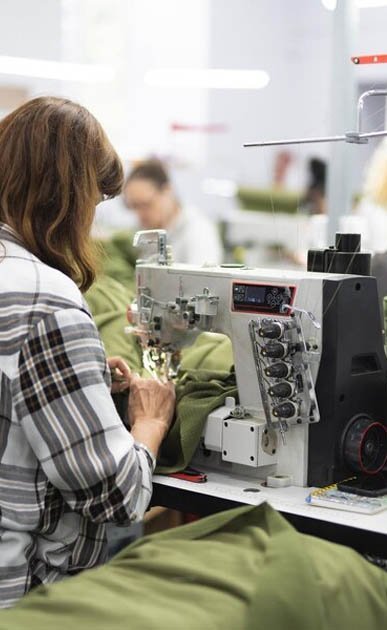
Ludyway’s services include fabric sourcing, pattern making, sample production, and international shipping. Their end-to-end support ensures your logo appears perfectly on every garment.
Step 10: Launch and Promote Your Branded Clothing Line
Once your logo and products are ready, launch your brand! Use social media, influencer collaborations, and fashion events to showcase your logo and designs. Tell your brand story and highlight unique selling points.
Leverage partnerships with reliable clothing manufacturer companies to scale your business and reach international markets.
Expert Tips for Logo Design Success
- Keep it simple: Simple logos are memorable and versatile.
- Test scalability: Your logo should look great on both large banners and small clothing tags.
- Avoid trends: Focus on timeless design rather than fleeting styles.
- Get feedback: Use surveys or focus groups to find what resonates with your audience.
- Use vector files: Vector logos (SVG, AI, EPS) are essential for scalability and print quality.
Why Choose Ludyway for Your Branded Apparel?
Ludyway stands out as a trusted partner for global clothing brands. With state-of-the-art facilities in Shenzhen, flexible order sizes, and strict quality control, they help turn creative designs into finished products efficiently. Their transparent pricing, personalized support, and international expertise make them ideal for startups and established brands alike.
Whether you need custom hoodies, T-shirts, jackets, or sportswear, Ludyway’s team ensures your logo and brand vision are brought to life with precision.
Frequently Asked Questions (FAQ)
How do I choose the right logo style for my clothing brand?
Consider your brand’s personality and target audience. Minimalist icons suit modern brands, while wordmarks work well for luxury or classic styles.
Should I hire a designer or use a logo maker?
Logo makers are good for quick drafts, but professional designers offer originality and deeper brand alignment. Choose based on your budget and goals.
Can Ludyway help with logo placement on products?
Yes, Ludyway provides full support for logo placement, branding guidelines, and customization for all apparel types. Visit their site for details: clothing manufacturer.
What file formats should I provide to manufacturers?
Vector files (SVG, AI, EPS) are preferred for clear and scalable printing. Also supply PNG and JPG for digital use.
How important is logo consistency across products?
Very important! Consistent logo usage builds brand recognition and professionalism. Always follow your branding guidelines.