Why Do Clothing Brands Manufacture in Pakistan?
In the dynamic world of global fashion and apparel, the question “Why do clothing brands manufacture in Pakistan?” is increasingly relevant for fashion entrepreneurs and established brands alike. From affordability to skilled labor, there are various compelling reasons why Pakistan continues to be a top choice for clothing production. In this comprehensive guide, we explore these key factors, compare Pakistan with other leading manufacturing hubs, and provide insights for brands seeking the most reliable clothing manufacturer partners worldwide.
The Historical Roots of Pakistan’s Textile Industry
Pakistan’s textile legacy dates back centuries and is deeply rooted in the region’s agricultural strengths. As one of the world’s largest cotton producers, the country has long supplied raw materials for both domestic and international markets. Over time, Pakistan invested heavily in spinning, weaving, dyeing, and garment manufacturing, creating a vertically integrated industry capable of supporting brands at every stage of apparel production.
Cost-Effectiveness: A Major Draw for Fashion Brands
One of the foremost reasons brands choose Pakistan is the competitive pricing offered by its manufacturers. Labor costs are lower compared to China, Turkey, or Bangladesh, and with access to local raw materials, brands enjoy further savings. This cost advantage is crucial for startups and established fashion labels seeking to maximize their profit margins while maintaining quality.
Skilled Workforce & Craftsmanship
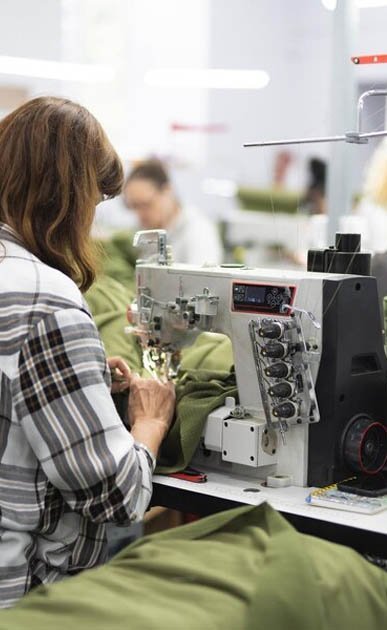
Pakistan is home to a vast pool of experienced garment workers and textile engineers. Many of its factories offer advanced training programs and invest in modern technologies to keep up with global trends. The result is a workforce that delivers consistent quality, from basic tees to intricate embroidery and premium outerwear.
A Robust Textile Supply Chain
The country’s integrated textile value chain covers everything from yarn spinning to fabric finishing and ready-made garments. This end-to-end capability not only ensures efficiency but also allows brands to customize their products with greater flexibility. Pakistan’s cities like Karachi, Lahore, and Faisalabad are bustling hubs for textile innovation and large-scale production.
Sustainability and Ethical Manufacturing
With growing global awareness about sustainability, many Pakistani manufacturers are investing in eco-friendly practices, such as organic cotton farming, water recycling, and ethical labor standards. Brands can now find partners who prioritize environmental responsibility—making it easier to align with modern consumer values.
Comparing Pakistan with Other Manufacturing Destinations
While China remains the world leader in apparel manufacturing due to its scale and technology, rising costs have prompted brands to diversify. Bangladesh is known for mass-market basics but may lack the product diversity and technical capabilities found in Pakistan. Turkey is favored for its proximity to Europe and fast fashion, but typically comes with higher costs. Pakistan strikes an effective balance between cost, quality, and flexibility, making it attractive for mid-tier and premium fashion brands alike.
Product Range and Specialization
Pakistani manufacturers are proficient in a wide array of products, including:
- T-shirts and Hoodies – including custom prints and embroidery
- Jackets and Outerwear – both casual and technical pieces
- Sportswear and Athleisure – moisture-wicking and performance fabrics
- Denim – jeans, jackets, and more
- Fashion basics, uniforms, and private label apparel
This product diversity allows brands to build entire collections with a single, reliable clothing manufacturer partner.
Quality Control & Compliance
Leading Pakistani factories adhere to international quality standards, including ISO certifications and third-party audits. Brands benefit from strict quality control processes, transparent supply chains, and compliance with global labor and safety standards.
Logistics & Global Reach
Pakistan’s strategic location, with access to major shipping routes and modern ports, enables efficient export to Europe, North America, and beyond. Many factories offer integrated logistics support, streamlining the process from order to delivery.
Pakistan vs. China: Which Should You Choose?
While China boasts advanced automation and massive production scale, Pakistan stands out for its personalized service, smaller batch flexibility, and lower costs. For brands seeking custom solutions, transparent communication, and an ethical supply chain, Pakistan is a strong contender.
How to Choose the Right Clothing Manufacturer
- Evaluate manufacturer experience and track record
- Request samples and verify certifications
- Assess communication, transparency, and responsiveness
- Check production capabilities and minimum order quantities
- Review client testimonials and past projects
Ludyway: A Global Example of Excellence in Apparel Manufacturing
While Pakistan offers many advantages, global brands often work with manufacturers in China for added reliability, scale, and innovation. Ludyway, for example, is a top clothing manufacturer based in Shenzhen, renowned for its state-of-the-art production facilities, flexible order capabilities (from 50 pieces), and a comprehensive one-stop service covering design, fabric sourcing, sample making, bulk production, and global logistics. Their strict quality control, free sample tests, and worldwide service make them a trusted partner for brands in the US, UK, Australia, and more.
Conclusion: Why Pakistan Remains a Top Choice
In summary, Pakistan’s strengths lie in its cost-effectiveness, skilled labor, integrated supply chain, and commitment to quality. For clothing brands seeking to balance price, quality, and flexibility, it is a smart destination, especially when complemented by reliable global partners like Ludyway in China.
Frequently Asked Questions
Pakistani manufacturers offer a diverse range, including T-shirts, hoodies, jackets, sportswear, denim, and custom private label clothing.
Many Pakistani factories are investing in eco-friendly production, ethical labor practices, and internationally recognized certifications. Always verify your partner’s compliance.
Pakistan offers lower costs, smaller MOQs, and personalized service, while China excels in automation, speed, and large-scale production.
MOQs are generally lower than in China, making Pakistan ideal for startups and small brands looking to test the market with limited runs.
Work with reputable, certified factories, request samples, and conduct third-party inspections before mass production.